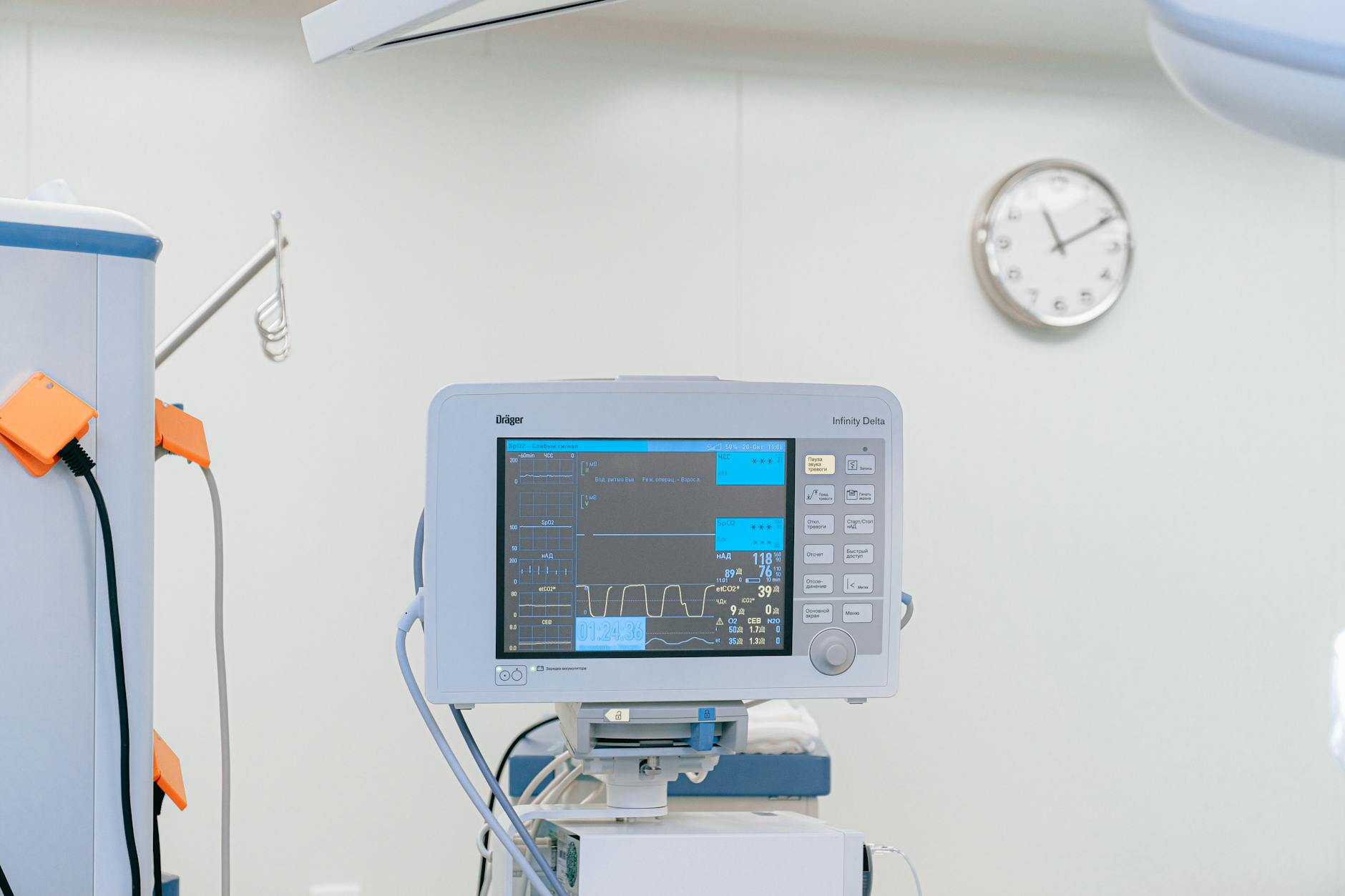
Why Australia's Regulatory Environment Supports Innovation in Mental Health

Supportive Regulatory Framework
For those delving into the mental health sector in Australia, navigating the supportive regulatory framework is crucial. Understanding how regulations shape mental health services, especially regarding medication such as fluoxetine australia, is essential. This framework aims to create an ecosystem where both providers and patients feel secure while ensuring access to necessary treatments.
Key Legislation and Guidelines
Key legislation oversees the administration of medications like prozac australia, ensuring that they meet rigorous safety and efficacy standards. These guidelines are not just bureaucratic hurdles; they serve as benchmarks for maintaining high-quality care in mental health. The Therapeutic Goods Administration (TGA) plays a pivotal role in evaluating and approving new medications, which can be a complex but necessary process.
Innovative Licensing Approaches
Navigating the licensing process often feels like a labyrinthine task; however, incorporating strategies tailored for efficient regulation can simplify this journey. Developing innovative licensing approaches can facilitate the quicker introduction of medications like duloxetine australia into the healthcare system. This involves staying updated with technology-assisted solutions and clinical methodologies, akin to those explored at the University of Queensland's initiatives.
Data Protection Regulations
When leveraging digital tools, protecting patient information becomes paramount. Data protection regulations provide a critical layer of security, creating trust between patients and service providers. With tools evolving rapidly and data becoming more accessible, adhering to these regulations ensures that sensitive information remains confidential while promoting effective treatment. This is especially crucial for telehealth applications, which aim to connect patients with a "chemist Brisbane" seamlessly.
Including references to institutions like the University of Queensland helps align these points with the local landscape, offering a clearer path for effective regulatory navigation strategies.
Encouraging Digital Health Solutions
Telehealth Initiatives
In the evolving landscape of healthcare, telehealth initiatives are gaining momentum, especially here in Brisbane. These initiatives aim to enhance patient care and reduce barriers to accessing health services. Telehealth is not just about remote doctor consultations but also extends to allied health services. For instance, connecting with pharmacists via a telehealth platform can significantly benefit patients who rely on long-term medications like stelara australia. This approach can facilitate seamless prescription management and reduce the burden on in-person consultations.
Integration of Tech in Care
The integration of technology in healthcare is a crucial catalyst for delivering efficient and patient-centric care. Leveraging tech advancements allows for real-time data exchange and enhanced communication between patients and healthcare providers. Within our city, the medical research facilities at the Royal Brisbane and Women's Hospital are pioneering the use of innovative technologies to streamline clinical operations and patient interactions. These technologies not only improve operational efficiency but also pave the way for more personalised care.
Incentives for Innovation
Innovation in the healthcare tech space often requires incentivization to encourage development and adoption. Offering tax breaks, grants, or subsidies for tech-driven healthcare projects can spur growth and market entry. In fact, if local chemists, such as those part of the chemist brisbane community, are afforded these incentives, it could accelerate the integration of tech solutions in everyday practice. Supporting innovation with well-structured incentives can ultimately lead to more accessible and effective health solutions for the community, resonating with the innovative spirit that dynamic spaces like Brisbane's South Bank precinct embody.
Collaborative Health Ecosystem
Public-Private Partnerships
Recognising the vital interplay between public and private sectors can drive innovation and improve health outcomes. In Australia, there's a growing necessity for these partnerships, especially in facilitating access to medications like zoloft australia. Institutions such as the medical research facilities at the Royal Brisbane and Women's Hospital are pivotal in these collaborations, providing a platform for comprehensive research and development. These partnerships are essential in tackling current healthcare issues and ensuring that regulatory compliance seamlessly integrates with innovation.
Cross-Sector Collaboration
Cross-sector collaboration involves uniting diverse fields to forge cohesive healthcare solutions. In Brisbane, projects associated with the University of Queensland have demonstrated how integrating pharmaceuticals with technology advances patient care. This approach complements the goals of individuals like Liam, who aim to enhance telehealth applications to include convenient offerings from a chemist canberra. Working together across sectors ensures that the digital and regulatory landscapes evolve in tandem, ultimately benefiting patients.
Community Involvement Strategies
Community involvement strategies are key in ensuring healthcare developments resonate with end users. By engaging communities directly, initiatives can be both responsive and effective. For instance, grassroots initiatives in Brisbane's South Bank precinct help gather consumer insights, which are crucial for app developers focusing on enhancing the pharmacy experience. This community-driven approach empowers users and improves the services they depend on, making the health ecosystem more tailored and accessible.
Challenges in the Regulatory Landscape
Navigating Compliance Hurdles
In navigating the regulatory landscape of Australia's healthcare system, one often encounters a maze of compliance hurdles. For those integrating services like a 24 hour pharmacy within a tech-driven framework, it becomes imperative to manage these obstacles efficiently. The main challenge is keeping abreast of diverse regulations set by entities such as the Therapeutic Goods Administration, which mandates strict adherence to safety and efficacy protocols for digital health initiatives.
Given these complexities, it is crucial to develop effective regulatory navigation strategies. Engaging in constant dialogue with regulatory bodies and leveraging insights from universities like the University of Queensland can be invaluable. They offer practical expertise that can assist in aligning innovative solutions with existing healthcare policies.
Maintaining User Data Security
Preserving user data security is another formidable challenge. In developing applications that connect patients with local chemists, such as those in chemist Perth establishments, the need for robust data security measures cannot be overstated. Balancing user convenience with stringent data protection is a tightrope walk that requires meticulous attention to regulatory frameworks.
Ensuring compliance with data protection regulations like the Australian Privacy Principles is vital. This involves implementing advanced encryption protocols and regular audits to mitigate any potential risks to patient information.
Balancing Innovation and Regulation
Striking a balance between fostering innovation and adhering to regulatory frameworks is a dynamic challenge. While the integration of tech in healthcare holds immense promise, ensuring that these innovations don't override established standards is equally crucial. Regulatory frameworks must evolve in tandem with technological advances to support sustainable healthcare innovation without compromising on safety and accountability.
Brisbane's South Bank precinct can serve as a catalyst for such developments, fostering collaborations between tech innovators and healthcare providers to address these challenges effectively.
Best Practices
Adapting to Evolving Regulations
Recognising and responding to policy changes is crucial in Brisbane's dynamic healthcare environment. Being informed about updates from the University of Queensland and closely following the standards set by the Royal Brisbane and Women's Hospital can guide us through this evolving regulatory landscape. This step fosters a robust understanding of the nuances of care at home and other healthcare delivery methods. Engaging with legislative updates and incorporating them into practice ensures compliance and enhances the quality of care.
Engaging with Essential Stakeholders
Collaborating with stakeholders, including those within Brisbane's South Bank precinct, is vital. By weaving together contributions from healthcare professionals, regulatory bodies, and technology developers, we can create a more cohesive health ecosystem. Actively participating in forums and workshops focusing on mental health advocacy can provide insight into the expectations and needs of different groups. Such engagement paves the way for integrating innovative solutions, making healthcare more inclusive and effective for all parties involved.
Pursuing Continuous Technological Innovation
Staying abreast of technological advancements is essential for maintaining an edge in the delivery of healthcare services. The medical research facilities at the Royal Brisbane and Women's Hospital are a testament to the power of continuous learning and adaptation. Embedding telehealth use cases as a standard component of care can transform patient experiences positively. Embracing these innovations keeps healthcare delivery aligned with the latest trends, addressing patient needs with effective solutions.